What a Commercial Building Lockout Actually Involves — and How We Resolve It
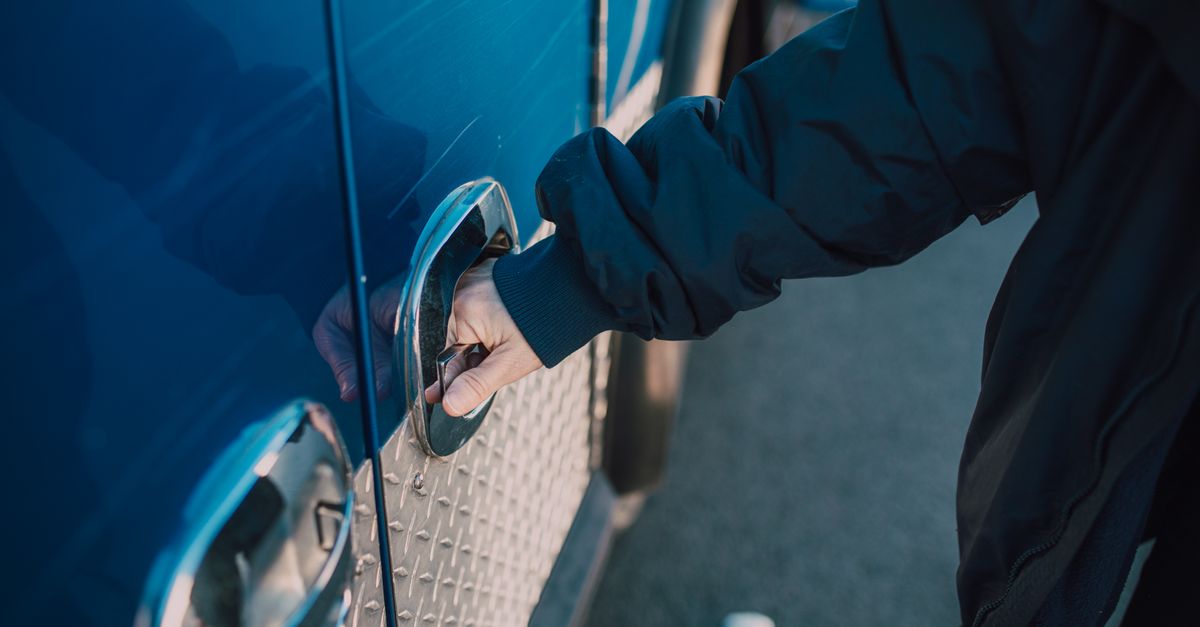
A commercial lockout is rarely as simple as a forgotten key. Business entry points often use mortise lock assemblies, grade-1 deadbolts, or electronic access control systems that are fundamentally different from residential hardware. A mortise lock, for example, is installed inside a pocket cut into the door edge and contains a separate latch, deadbolt, and cylinder — meaning forcing it can destroy the door frame, the lock case, and the door itself. Our technicians are trained specifically in damage-free entry techniques for these systems: we assess the lock type, the door material, and the frame condition before touching anything, then use the correct professional tools to open the door without unnecessary destruction.
For Lauderhill commercial properties, we commonly work on steel-frame storefront doors with Adams Rite mortise locks, hollow-core interior office doors with cylindrical knob locks, and older masonry buildings with heavy-duty mortise lock sets that haven't been serviced in years. In every case we verify ownership or authorized access before beginning — a legitimate step that protects you and your property. If you're a property manager or tenant who needs to prove authorization, just have your lease, business registration, or a utility bill handy. Our goal is to get you inside with your door hardware intact and functioning better than it was before we arrived.